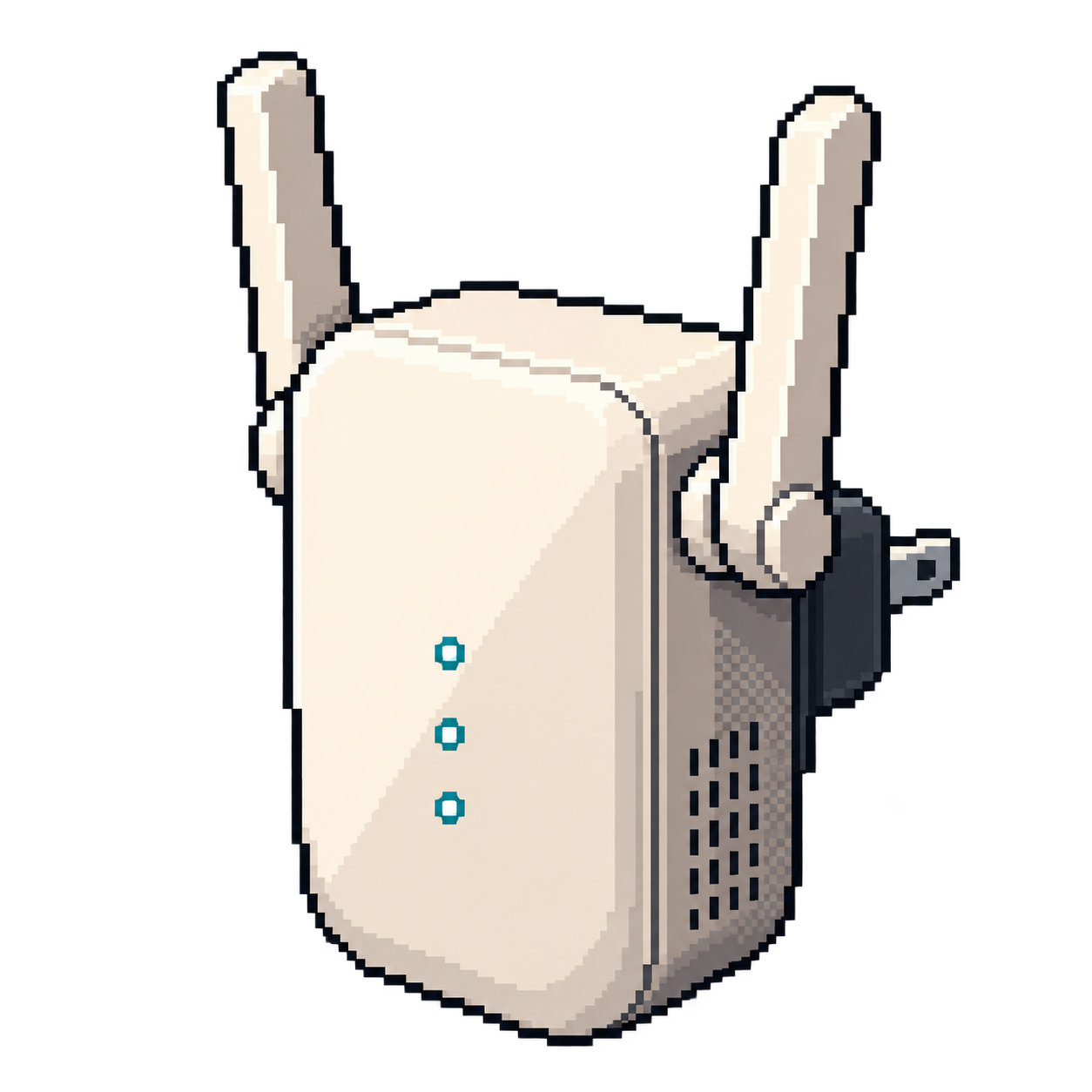
Wi Fi extender

D-Link DAP-1325

Contribute

Projects for this device

Replacement firmware

Replace router software with a customizable system for network controls and community packages.

HardwareA1

How to get started

Follow the guide for your exact router version. The first installation may use its web interface, recovery mode or a serial connection.

Setup
Firmware replacement; route varies by router
You’ll need
Exact hardware revision, an appropriate OpenWrt release and its model-specific installation guide.

Release listed · 25.12.6

Get OpenWrt firmwarefirmware-selector.openwrt.org
First installation
U-Boot TFTP + serial recovery; U-Boot web recovery
Sources

Features & details

Check the project and hardware shown for each feature.

Device details

Device details — Source documentation (openwrt.org)

Hardware revision
A1

OpenWrt · A1

OpenWrt · A1 — Source documentation (openwrt.org)

Installation routes recorded
U-Boot TFTP + serial recovery, U-Boot web recovery
Recovery routes recorded
U-Boot TFTP + serial recovery, U-Boot web recovery
Availability recorded by source
Available 2021

Hardware details

Security

Saved scan

From our saved security research.

Model advisories

Selected highlights

Prioritized by known exploitation, severity, then date.

CVSS 8.8 (v3.0)

DAP-1325

D-Link DAP-1325 SetSetupWizardStatus Enabled Stack-based Buffer Overflow Remote Code Execution Vulnerability

CVE-2023-44409

Affected firmware
1.07b01
Fix
Fix details in the linked record
Read zdi CVE record
Details and sources

D-Link DAP-1325 SetSetupWizardStatus Enabled Stack-based Buffer Overflow Remote Code Execution Vulnerability. This vulnerability allows network-adjacent attackers to execute arbitrary code on affected installations of D-Link DAP-1325 routers. Authentication is not required to exploit this vulnerability.

The specific flaw exists within the handling of XML data provided to the HNAP1 SOAP endpoint. The issue results from the lack of proper validation of the length of user-supplied data prior to copying it to a fixed-length stack-based buffer. An attacker can leverage this vulnerability to execute code in the context of root. Was ZDI-CAN-18838.

ZDI-23-1507 — DAP-1325 (zerodayinitiative.com) ↗

CVSS 8.8 (v3.0)

DAP-1325

D-Link DAP-1325 SetAPLanSettings IPAddr Stack-based Buffer Overflow Remote Code Execution Vulnerability

CVE-2023-44408

Affected firmware
1.07b01
Fix
Fix details in the linked record
Read zdi CVE record
Details and sources

D-Link DAP-1325 SetAPLanSettings IPAddr Stack-based Buffer Overflow Remote Code Execution Vulnerability. This vulnerability allows network-adjacent attackers to execute arbitrary code on affected installations of D-Link DAP-1325 routers. Authentication is not required to exploit this vulnerability.

The specific flaw exists within the handling of XML data provided to the HNAP1 SOAP endpoint. The issue results from the lack of proper validation of the length of user-supplied data prior to copying it to a fixed-length stack-based buffer. An attacker can leverage this vulnerability to execute code in the context of root. Was ZDI-CAN-18827.

ZDI-23-1506 — DAP-1325 (zerodayinitiative.com) ↗

CVSS 8.8 (v3.0)

DAP-1325

D-Link DAP-1325 SetAPLanSettings Gateway Stack-based Buffer Overflow Remote Code Execution Vulnerability

CVE-2023-44407

Affected firmware
1.07b01
Fix
Fix details in the linked record
Read zdi CVE record
Details and sources

D-Link DAP-1325 SetAPLanSettings Gateway Stack-based Buffer Overflow Remote Code Execution Vulnerability. This vulnerability allows network-adjacent attackers to execute arbitrary code on affected installations of D-Link DAP-1325 routers. Authentication is not required to exploit this vulnerability.

The specific flaw exists within the handling of XML data provided to the HNAP1 SOAP endpoint. The issue results from the lack of proper validation of the length of user-supplied data prior to copying it to a fixed-length stack-based buffer. An attacker can leverage this vulnerability to execute code in the context of root. Was ZDI-CAN-18826.

ZDI-23-1505 — DAP-1325 (zerodayinitiative.com) ↗

CVSS 8.8 (v3.0)

DAP-1325

D-Link DAP-1325 SetAPLanSettings DeviceName Stack-based Buffer Overflow Remote Code Execution Vulnerability

CVE-2023-44406

Affected firmware
1.07b01
Fix
Fix details in the linked record
Read zdi CVE record
Details and sources

D-Link DAP-1325 SetAPLanSettings DeviceName Stack-based Buffer Overflow Remote Code Execution Vulnerability. This vulnerability allows network-adjacent attackers to execute arbitrary code on affected installations of D-Link DAP-1325 routers. Authentication is not required to exploit this vulnerability.

The specific flaw exists within the handling of XML data provided to the HNAP1 SOAP endpoint. The issue results from the lack of proper validation of the length of user-supplied data prior to copying it to a fixed-length stack-based buffer. An attacker can leverage this vulnerability to execute code in the context of root. Was ZDI-CAN-18825.

ZDI-23-1504 — DAP-1325 (zerodayinitiative.com) ↗

CVSS 8.8 (v3.0)

DAP-1325

D-Link DAP-1325 get_value_of_key Stack-based Buffer Overflow Remote Code Execution Vulnerability

CVE-2023-44405

Affected firmware
1.07b01
Fix
Fix details in the linked record
Read zdi CVE record
Details and sources

D-Link DAP-1325 get_value_of_key Stack-based Buffer Overflow Remote Code Execution Vulnerability. This vulnerability allows network-adjacent attackers to execute arbitrary code on affected installations of D-Link DAP-1325 routers. Authentication is not required to exploit this vulnerability.

The specific flaw exists within the handling of XML data provided to the HNAP1 SOAP endpoint. The issue results from the lack of proper validation of the length of user-supplied data prior to copying it to a fixed-length stack-based buffer. An attacker can leverage this vulnerability to execute code in the context of root. Was ZDI-CAN-18824.

ZDI-23-1503 — DAP-1325 (zerodayinitiative.com) ↗
Check more security advisories for this device · CVE.org